Aug 17, 2026Buying Guides
Pajama Sets Sourcing Guide for Russia Buyers
Plan pajama sets sourcing for Russia with a supplier brief covering fabric, sizing, sampling, labels, packaging, QC, and import checks.
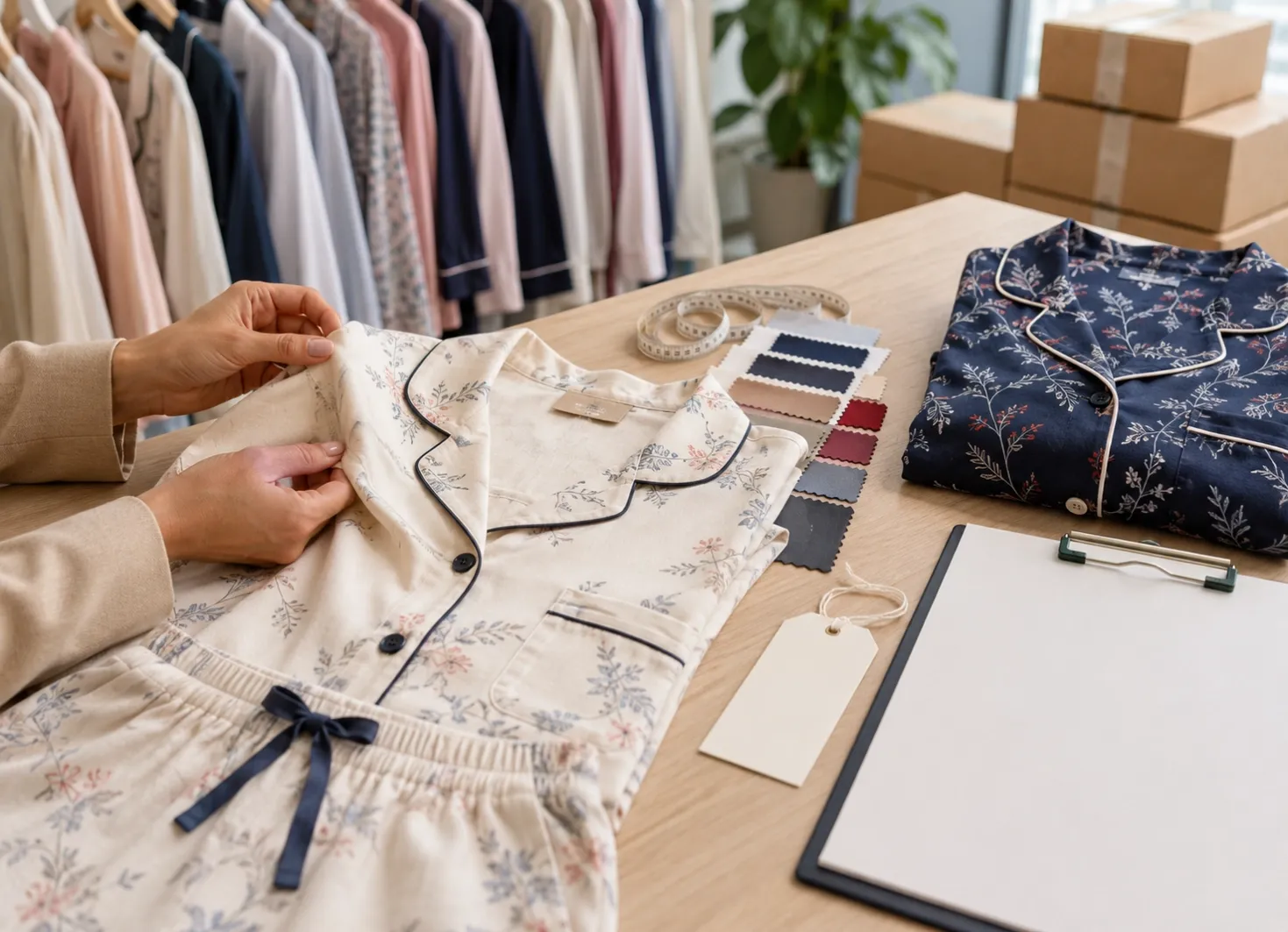
For Russia buyers, pajama sets sourcing should start with a controlled supplier brief, not a generic trend list. The useful decision is whether a proposed pajama set can meet the collection's fabric, fit, labelling, packaging, quality, and import requirements at the intended quantity. This guide helps fashion brands, boutiques, wholesalers, importers, distributors, and marketplace sellers compare manufacturers before sampling.
Quick Answer for Buyers
Planning decision | What to lock before requesting a quote | Buyer action |
|---|---|---|
Collection direction | Set type, season, target price position, and reference images | Send the same written brief to each supplier |
Fabric and comfort | Fibre content, weight, hand feel, opacity, shrinkage, and care expectation | Ask for material options and sample confirmation |
Fit and size range | Measurement chart, ease, grading, and size split | Approve a sample against a recorded checklist |
Brand execution | Labels, artwork, hangtags, barcode, and language needs | Provide final artwork versions and placement rules |
Order control | QC points, packing, carton marks, and handover requirements | Put assumptions in the quote and purchase specification |
The first sourcing trend to act on is specification discipline. A supplier comparison is meaningful only when every factory is pricing the same construction, fabric direction, colour, size range, label package, and packing scope. Use the Xinglaika Apparel catalogue to explore product direction, then turn the chosen direction into a purchase brief.
Treat Trends as a Planning Brief, Not a Product Claim
Market-facing terms such as soft sets, coordinated separates, brushed fabrics, satin looks, or gift-ready packs can be useful starting points, but they are not specifications. For pajama sets sourcing Russia, define the exact garment rather than assume a style label means the same thing to every supplier. State whether the set includes a long- or short-sleeve top, pant or short, pocket, piping, elastic construction, button type, print, embroidery, or contrast trim.
Ask buyers, merchandisers, and marketplace teams to record the intended channel, wearer, season, retail positioning, and target market. Then distinguish a visual reference from an approved construction. That distinction prevents a supplier from quoting a different fabric weight, trim, or packing format just because it resembles the reference image.
For a reusable comparison method, pair this article with Xinglaika Apparel's supplier comparison guide. The goal is not to predict a market outcome; it is to give the buying team a clear process for testing each proposed set.
Build a Comparable Sourcing Sheet
Factor | Why it matters for a Russia-bound pajama set | What to ask the supplier |
|---|---|---|
Fabric | Hand feel, warmth, appearance, care, and fit can change by material | Which composition, weight, colour, and care assumptions are included? |
Construction | Seams, closures, piping, pockets, and elastic affect the sample and quote | Which details are priced, and which are still provisional? |
Size plan | A size chart alone does not resolve grading or planned size mix | Can you review measurements, tolerances, and size split before bulk? |
Branding | Neck, care, size, hangtag, and barcode work need agreed artwork | What files, languages, positions, and approval points are required? |
Packing | Individual folding and carton marks affect handling and fulfilment | Which bag, insert, sticker, carton, and marking assumptions are included? |
Compliance and import | Requirements depend on the product, destination, and sales channel | Which documents or tests must the buyer arrange or verify for this order? |
Do not treat a supplier's broad statement as proof that a particular requirement is covered. Russia-bound labelling, product-safety, customs, tax, and marketplace rules can depend on the item and route. Confirm current requirements with the buyer's qualified customs, compliance, and logistics advisers, then give the supplier only the applicable order requirements in writing.
Choose Fabric and Fit Before You Forecast Volume
Fabric can influence a collection's comfort, care, silhouette, colour appearance, and price position at once. Describe the intended use: warm indoor sleepwear, transitional-season loungewear, a lightweight set, or a more gift-oriented presentation. Ask for clear sample-stage discussions of fibre content, fabric weight, hand feel, opacity, dimensional change after care, print or colour reference, and any agreed performance checks.
Common fabric directions for pajama sets include Modal, Cotton-Modal, Cotton, Bamboo, Viscose, and Satin. Modal and Cotton-Modal are often considered when buyers want a soft hand feel, smooth drape, and comfortable loungewear positioning. Cotton can support breathable, familiar everyday sleepwear when the required weight, yarn quality, shrinkage expectation, and care method are clearly specified. Bamboo and viscose options can offer a soft, fluid feel, but buyers should confirm composition, colour performance, dimensional stability, and care instructions during sampling. Satin is useful for a smoother, more gift-oriented appearance, while still requiring confirmation of weight, opacity, seam behaviour, and packing presentation.
Fabric option | Typical buyer reason to consider it | What to confirm before sampling |
|---|---|---|
Modal | Soft hand feel and smooth drape for comfort-focused sets | Composition, fabric weight, colour performance, and care method |
Cotton-Modal | Balance of cotton familiarity and modal softness | Blend ratio, shrinkage expectation, hand feel, and price position |
Cotton | Breathable everyday sleepwear with familiar buyer language | Yarn quality, weight, shrinkage, opacity, and washing requirements |
Bamboo | Soft, fluid comfort direction for lounge or sleep sets | Exact fibre description, care instructions, and dimensional stability |
Viscose | Drapey hand feel and smooth appearance | Weight, colour fastness, shrinkage, and seam behaviour |
Satin | Smooth surface and gift-ready visual direction | Fibre base, opacity, snagging risk, seam strength, and packaging presentation |
Fit needs the same discipline. Provide a measurement chart, base size, grading expectation, tolerance approach, and reference garment or technical drawing when available. During sample review, check the top and bottom together: sleeve and body proportions, rise, waistband, inseam, pocket placement, placket or button alignment, seam appearance, and trim symmetry. Record every approved or rejected change by sample version.
Use the MOQ and sample planning guide before committing to a volume forecast. MOQ may vary with fabric, colour, print, trim, label, and packaging choices; buyers should request the assumption behind each minimum rather than compare a single headline number.
Manufacturing Process With Xinglaika Apparel
This is a buyer-facing evaluation path for an OEM or ODM pajama-set project. Confirm exact responsibilities, materials, timing, records, and approvals with Xinglaika Apparel before placing an order.
- Fabric selection. Share the intended season, hand-feel, composition, colour, care, and price-direction requirements; review proposals against the brief.
- Pattern development. Confirm measurements, ease, sleeve, neckline, pant, waistband, pocket, closure, and trim details before a sample is treated as representative.
- Sample making. Review the sample against the recorded construction, fit, artwork, label, and presentation checklist; consolidate comments by version.
- Quality inspection. Agree order-specific checks for measurements, workmanship, appearance, colour reference, labels, folding, and carton marks.
- Bulk production. Start bulk work only after the sample, material, artwork, labels, packing specification, and any required buyer approvals are confirmed in writing.
- Packaging. Confirm individual pack type, size sticker, hangtag, barcode, insert, folding method, assortment, and outer-carton marking for the selected route.
Control Private-Label Details and Packaging
Private-label pajama sets often require more decisions than the garment itself. Put neck labels, care labels, size labels, hangtags, barcode placement, polybags or boxes, inserts, folding, and carton marks in one controlled specification. Identify the artwork version, language, placement, material, quantity, and approval owner for each component.
For buyer confidence, start with Xinglaika Apparel's About Us page and home page, but use the inquiry to verify what is suitable for this specific project. The published company positioning includes 20+ years of experience, 100+ skilled workers, OEM and ODM service, flexible MOQ, custom labels, custom packaging, and worldwide export. Buyers should verify the current availability and order-specific fit of each capability rather than treat it as a substitute for a documented specification.
Why Choose Xinglaika Apparel
Xinglaika Apparel positions itself as a China OEM and ODM sleepwear and apparel manufacturer for global brands, boutiques, wholesalers, Amazon sellers, importers, distributors, and hospitality buyers. For a Russia sourcing project, the practical value is a discussion that connects the proposed pajama set to its fabric, sample, label, quality, and packing decisions.
- 20+ years experience
- 100+ skilled workers
- OEM and ODM service
- Flexible MOQ
- Custom label
- Custom packaging
- Worldwide export
Ask Xinglaika Apparel to confirm which elements apply to the current design, quantity, materials, destination, compliance plan, and shipping arrangement. A clear answer should identify open decisions rather than promise an undocumented result.
Pre-Order Decision Matrix
Before bulk approval | Buyer should have | Risk if left open |
|---|---|---|
Product specification | Approved construction, measurement, fabric, and trim details | The supplier may price or make a different configuration |
Sample record | Versioned comments and a written approval decision | Revisions can be lost between sample and production |
Branding pack | Final artwork, language, placement, and label list | Incorrect labels, barcodes, or presentation |
QC plan | Agreed checkpoints and acceptance process | Late discovery of visible or measurement issues |
Packing and route | Individual pack, carton marks, and import instructions | Fulfilment and clearance problems after completion |
Prepare a Supplier Inquiry That Gets Comparable Answers
Send one concise request that contains: product images or tech pack, top and bottom construction, fabric preference, colour reference, target quantity and size split, target market, desired sample timing, label and packaging needs, intended sales channel, and any buyer-managed compliance or import instructions. Ask each supplier to mark assumptions, exclusions, and questions in its response.
When the brief is ready, contact Xinglaika Apparel with the full specification. This creates a cleaner handoff between merchandising, quality, logistics, and the supplier.
FAQ
What should Russia buyers include in a pajama-set sourcing brief?
Include reference images or a tech pack, top and bottom construction, fabric preference, colour, quantity, size range and split, target market, labels, packaging, sales channel, and any buyer-managed import or compliance instructions. Ask suppliers to state all assumptions in writing.
Can a trend image be used as a production specification?
No. A trend image can guide the visual direction, but it does not define fabric composition, weight, measurements, grading, construction, trim, labels, packing, or quality acceptance. Convert it into an approved specification before comparing quotes.
How should buyers compare MOQ for custom pajama sets?
Ask what each MOQ applies to: the fabric, colour, print, trim, label, packaging, or finished configuration. Compare like for like and record which choices cause the minimum to change.
What should be approved in the pajama-set sample?
Approve the sample version against fit, measurements, fabric, colour reference, construction, closures, pockets, trim, logo or print placement, labels, presentation, and packing assumptions. Record comments and the final approval decision in writing.
Does Xinglaika Apparel handle Russia import and compliance requirements?
Confirm responsibilities for the specific order directly with Xinglaika Apparel and with the buyer's qualified customs, compliance, and logistics advisers. Requirements can vary by product, sales channel, and route, so they should not be assumed from a general sourcing guide.
What information helps a supplier quote more accurately?
Provide the design, technical details, fabric direction, colour, quantity, size split, labels, packaging, target market, and delivery or route assumptions. A complete brief lets the supplier identify open items instead of hiding them in a broad quote.
Request a Custom Quote
Planning a Russia-bound pajama-set collection? Contact Xinglaika Apparel with your design or reference images, target quantity, target market, fabric preference, size range and split, labels, packaging requirements, and any buyer-managed import or compliance instructions. We can use that brief to discuss an OEM or ODM sample and supplier-evaluation path for the exact project.